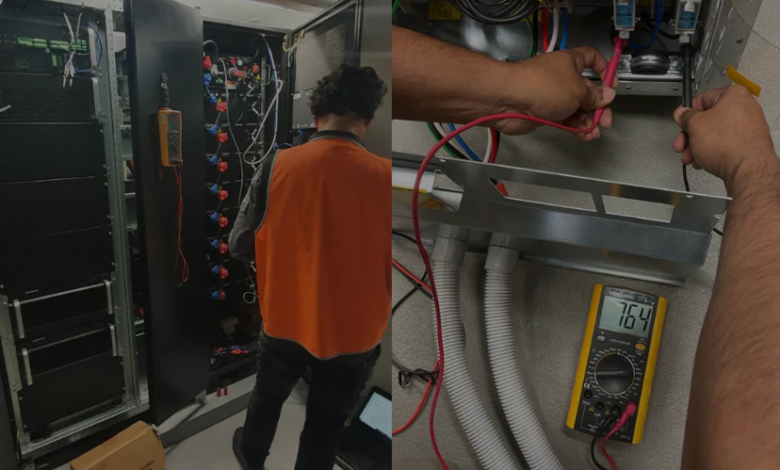
In the world of electrical systems and power management, UPS is a term that frequently comes up. Understanding its full form and functionality is essential for both professionals and general users who deal with electrical devices. This article provides a comprehensive guide to the UPS full form in electrical, its working principle, types, applications, and benefits.
What is the UPS Full Form in Electrical?
The full form of UPS in electrical is Uninterruptible Power Supply. As the name suggests, a UPS is a device that provides continuous power supply to electrical equipment, even when there is a power outage or fluctuation in the main electricity source. Essentially, it ensures that your sensitive electrical devices keep running without interruption.
See also: Why Mold Remediation Should Be a Priority for Your Health and Home
How Does a UPS Work?
A UPS works by storing electrical energy in a battery and delivering it to connected devices whenever the main power supply fails. The operation of a UPS can be understood in the following steps:
- Power Input: The UPS receives power from the main electrical grid.
- Battery Charging: It charges its internal battery to prepare for potential power failure.
- Power Supply to Load: During a power outage or voltage drop, the UPS immediately switches to battery power.
- Voltage Regulation: Many UPS systems also regulate voltage, protecting devices from surges or spikes.
This process ensures that there is no downtime for critical equipment such as computers, servers, medical devices, and communication systems.
Types of UPS in Electrical
UPS systems are categorized based on their design and operation. The main types include:
- Offline or Standby UPS:
- Provides basic protection.
- Switches to battery power only during a power failure.
- Suitable for personal computers and small office equipment.
- Provides basic protection.
- Line-Interactive UPS:
- Regulates minor voltage fluctuations automatically.
- Ideal for small to medium-sized businesses with occasional power issues.
- Regulates minor voltage fluctuations automatically.
- Online or Double-Conversion UPS:
- Provides continuous power without switching delays.
- Converts incoming AC to DC and then back to AC.
- Used in data centers, hospitals, and critical industrial systems.
- Provides continuous power without switching delays.
Applications of UPS in Electrical Systems
UPS systems are crucial in various fields where uninterrupted power is necessary. Common applications include:
- Computing and IT: Protects computers, servers, and network devices from power failures.
- Healthcare: Keeps life-support and medical equipment operational during power outages.
- Industrial Operations: Ensures machinery and production lines continue functioning without downtime.
- Telecommunication: Maintains communication systems during power interruptions.
- Home Use: Safeguards home appliances like refrigerators, modems, and security systems.
Benefits of Using a UPS
Using a UPS system offers several advantages:
- Prevents Data Loss: Protects computers and servers from sudden shutdowns.
- Protects Equipment: Safeguards electrical devices from voltage fluctuations and surges.
- Reduces Downtime: Ensures continuous operation of critical equipment.
- Enhances Safety: Prevents risks associated with power failures in sensitive environments like hospitals.
FAQs About UPS Full Form in Electrical
1. What does UPS stand for in electrical systems?
UPS stands for Uninterruptible Power Supply, which provides backup power to devices during outages or voltage fluctuations.
2. Is UPS the same as a generator?
No, a UPS provides instant backup from a battery, while a generator requires some startup time and runs on fuel.
3. Can I use a UPS for my home appliances?
Yes, a UPS can be used for home appliances, but it is most effective for devices like computers, modems, and small electronics.
4. How long can a UPS provide backup power?
The backup duration depends on the battery capacity and load. It can range from a few minutes to several hours.
5. What is the difference between online and offline UPS?
An online UPS provides continuous power without switching delays, while an offline UPS only switches to battery power during an outage.
Conclusion
In conclusion, UPS or Uninterruptible Power Supply is an essential electrical device that ensures uninterrupted power to critical systems. Its ability to provide backup power, protect sensitive equipment, and prevent data loss makes it indispensable in homes, businesses, and industries. Understanding the UPS full form in electrical and its types helps you choose the right solution to maintain a reliable power supply in any situation.